
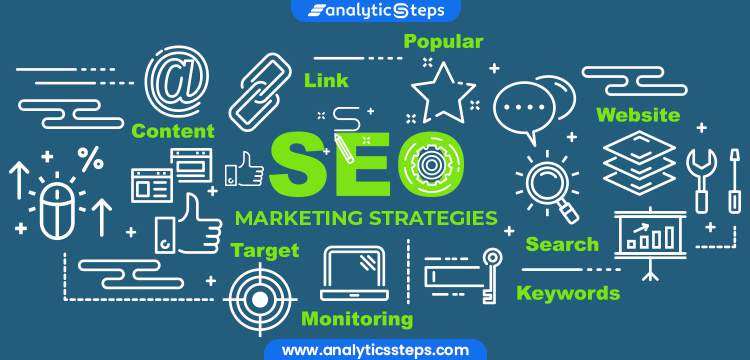
SEO marketing is a critical skill for anyone looking to establish an online presence, drive traffic, and grow their business. In a world where search engines like Google control what content gets seen, mastering SEO can make the difference between success and obscurity. For beginners, understanding the fundamentals of SEO and how it impacts digital marketing can seem overwhelming, but it doesn’t have to be. In this ultimate guide, we’ll break down the key steps to mastering KomsGro Email Marketing marketing and set you on the path to success.
The first step in mastering SEO marketing is understanding keyword research. Keywords are the foundation of SEO; they are the terms people type into search engines when they are looking for something. By identifying the right keywords, you can create content that matches what people are searching for. Tools like Google Keyword Planner, SEMrush, or Ahrefs can help you discover high-volume, low-competition keywords related to your business or niche. Start by targeting long-tail keywords, which are more specific phrases that have a better chance of ranking in search results. Once you have your keywords, use them strategically in your content, titles, meta descriptions, and URLs to ensure your content gets discovered.
Next, you need to optimize your on-page SEO. On-page SEO refers to the elements within your content and on your website that search engines use to rank your pages. This includes using your target keywords in the title tag, meta descriptions, headers, and body content. It’s important to write content that is not only keyword-rich but also engaging and informative for your audience. Don’t overstuff keywords, as this can lead to penalties from search engines. Instead, focus on creating content that naturally incorporates keywords while providing value to readers. You should also optimize images, add internal links, and ensure your website structure is easy to navigate.
Technical SEO is another essential component of mastering SEO. This refers to the backend elements of your website that affect how search engines crawl, index, and rank your site. A website that loads slowly or has broken links can significantly hurt your SEO rankings. You need to ensure that your site is mobile-friendly, has an XML sitemap, and utilizes HTTPS for security. Additionally, using tools like Google Search Console and Screaming Frog to identify and fix technical issues will improve your website’s overall health and search engine rankings. A clean, fast, and efficient website is essential for both user experience and SEO.
Building backlinks is one of the most powerful ways to improve your SEO rankings. Backlinks are links from other websites that point to your content. Search engines view backlinks as votes of confidence—if other reputable websites link to your content, it signals to search engines that your content is trustworthy and valuable. There are various ways to acquire backlinks, such as guest blogging, building relationships with influencers, creating shareable content like infographics, or using PR tactics to get mentions on high-authority sites. The more high-quality backlinks you have, the more authority your website will gain in the eyes of search engines.
It’s also essential to optimize for user experience (UX). Google increasingly uses user experience signals to determine rankings, so having a website that provides a smooth and enjoyable experience is crucial. Your site needs to load quickly, be easy to navigate, and be mobile-responsive. A poor user experience, such as slow loading times, confusing navigation, or intrusive pop-ups, can cause visitors to leave your site, which can negatively affect your rankings. Regularly test your website’s speed, design, and functionality to ensure a positive experience for your users. The longer users stay on your site and engage with your content, the better it will perform in search results.
Finally, monitoring and adapting your SEO strategy is critical to long-term success. SEO is a continuous process, and the digital landscape is always changing. Use tools like Google Analytics, Google Search Console, and SEMrush to track your website’s performance, including traffic, bounce rates, and keyword rankings. Regularly review your content and SEO strategy to identify areas for improvement. Staying up-to-date with Google’s algorithm updates and industry trends will help you adapt your SEO tactics and maintain strong performance. Consistency is key—over time, your SEO efforts will build up, resulting in sustained growth and improved visibility.