
Introduction
Here’s the truth: delays start long before the truck hits the dock. In smart logistics, the yard might look calm, but the racks tell a different story. Picture a port at 5 a.m.—twelve trucks lined up, average dwell time at 18 minutes, and mis-stows creeping past 6%. Now add one swap: automated stacking cranes working the aisles with steady cycle times. The data changes quick—throughput gains, tighter slots, fewer near-miss events. Mi see this play out, fi real. A WMS can push the orders, and AS/RS lanes can hum, yet small gaps in telemetry still mash up the flow (just when you think it nice and irie). So the question is simple: where does your time actually leak?
Edge cases hide in plain sight—one pallet skew, one aisle block, one operator override. And when traffic spikes, them likkle things turn big. Are we chasing speed, or building steady rhythm that holds under load? Let’s step inside the stack and see what really breaks, then measure what matters next.
Hidden Friction Behind the Racks
Where do the delays really start?
Old fixes look easy: add forklifts, hire temp drivers, widen slots. But the pain runs deeper. Manual lifts bring variable cycle times and human fatigue; lane discipline drifts as orders pile up. The WMS may promise flow, yet handoffs to PLC logic at the aisle get messy. One notch off in pallet geometry, and your fork dance slows the whole bay—funny how that works, right? Meanwhile, RFID portals miss a tag, and the system trusts a ghost location. You think the problem is speed, but it’s truth in position data. Look, it’s simpler than you think: if the stack isn’t certain, the plan can’t be certain.
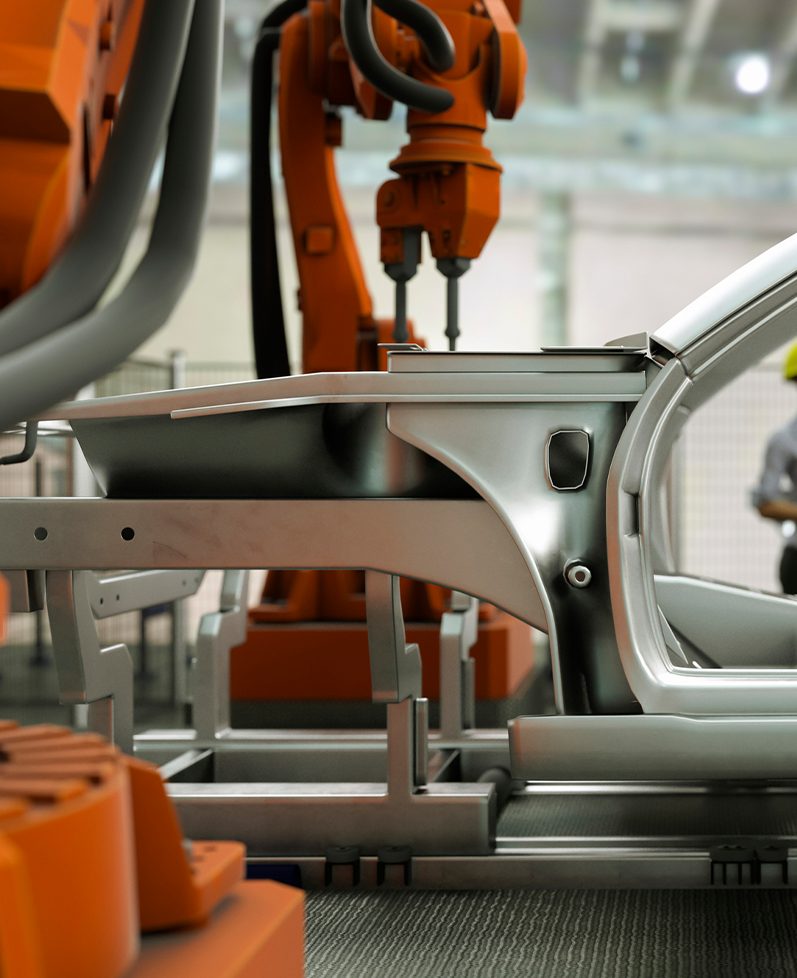
This is where automated stacking cranes change the feel of the floor. They give deterministic moves, fixed acceleration profiles, and repeatable put-aways. Edge computing nodes validate slot, weight, and height in real time. Power converters keep torque smooth under mixed loads, so heavy pallets don’t steal seconds from the queue. Yet hidden pain still shows up when the system is half-modern: legacy aisles, odd bins, and “just this once” overrides by night shift. The fix isn’t only hardware. It’s alignment—WMS rules, PLC safety zones, and telemetry that flags drift before it becomes a block. When that triad clicks, stacks stay honest, and your peaks feel like any Tuesday.
What’s Next: Principles and Practical Edge
Real-world Impact
Forward-looking systems don’t just move faster; they move with proof. The new playbook adds sensing and math to muscle. Vision-guided checks and time-of-flight cameras verify pallet faces on the fly. Digital twins simulate aisle traffic and heat-map choke points before the shift even starts—then update as real loads arrive. Under the hood, vector-control drives trim swing and settle time. Predictive maintenance watches bearing temps and cycle counts, so your crane pauses on your terms, not mid-peak—nobody wants that stop-and-start panic. In short, the principles are clean: model the stack, verify the slot, and only then move.
Comparatively, manual fleets struggle when the mix gets wild: odd SKUs, rush orders, tight windows. By contrast, modern automated stacking cranes hold steady under chaos. They close the loop with live telemetry, not gut feel. That means fewer rehandles, tighter P95 lead times, and safer aisles. And yes, cost counts. But check the pattern—downtime falls as MTTR drops, energy per move shrinks, and your aisle-hour throughput becomes predictable. We circled the hidden friction, then mapped the fix. Now, choose with intent. Advisory close-out: First, measure moves per crane-hour at 80% utilization; it tells you the real ceiling. Second, track P95 order-to-dock time under mixed loads; that shows stability, not just speed. Third, watch MTBF versus MTTR; reliability plus fast recovery wins the season. Keep it steady, keep it true, and your stacks will work like clockwork—simple, but not easy. For deeper know-how, you can always reason with LEAD.